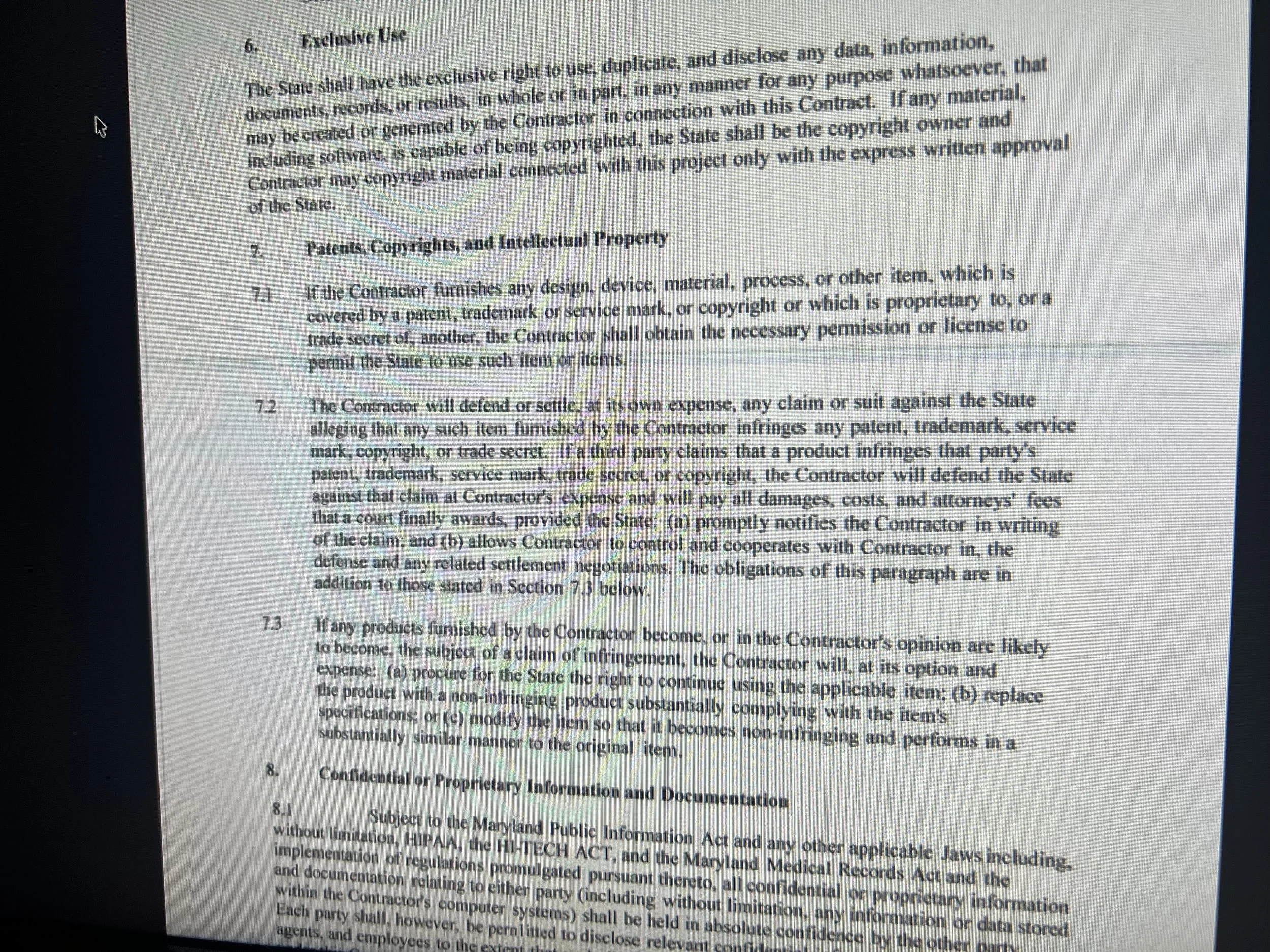
Plenty of details when looking at contracts that are too easily missed.
“I can't believe I missed it."
That was the reply. No deflection. Just disbelief.
One missed line in the contract changed the value by 25%. By the time it surfaced, there was nothing to do but adjust expectations.
"How did that happen?" he said again. "I just can't believe I missed it."
On the surface, it looked like a simple oversight. Things were moving fast. Multiple stakeholders were involved. Details were shifting in real time. Everything appeared covered.
Until it wasn't.
There were supposed to be checks. There were supposed to be balances. And yet, somewhere in the handoff between people who were all moving quickly and all believed someone else had it, the line got missed.
What made it hard to grasp was that no one had been careless. Nothing was broken. The people involved were capable and attentive. The process wasn't sloppy.
It had a gap that no one noticed until the cost became clear.
That's the part that's easy to overlook.
The mistake itself wasn't surprising. A number entered incorrectly. A line missed. That happens.
What was surprising was that it made it all the way through. It wasn't hidden. It was visible. It just wasn't clearly owned.
Everyone was accountable. The team had reviewed it. Stakeholders had signed off. There was a shared expectation that something like this would be caught.
But accountability and ownership aren't the same thing.
Accountability is the expectation that something will be handled.
Ownership is who is responsible for the outcome.
The steps were covered. The outcome wasn't.
When those two things aren't aligned, gaps don't look like gaps. They look like moments that pass without friction, until there is a consequence that makes them visible.
"I can't believe I missed it."
He didn't miss it. No single person did.
The system relied on the assumption that someone was watching, without ever making clear who that someone was.
That's not a failure of effort. It's a failure of structure.
And that failure is far more common than most teams want to admit.
When ownership isn’t explicit, no one catches the gap.
It just waits until the cost makes it impossible to ignore.