Writing
These are the weekly notes I send as A Thought Worth Keeping.
Move Fast or Measure Twice?
Some decisions demand precision. Others only improve through action and repetition. The challenge is knowing which kind of decision you’re facing.

It Wasn’t My Baby
I thought I was suggesting four more weeks. I didn’t realize I was challenging three months of work and the judgment behind it.
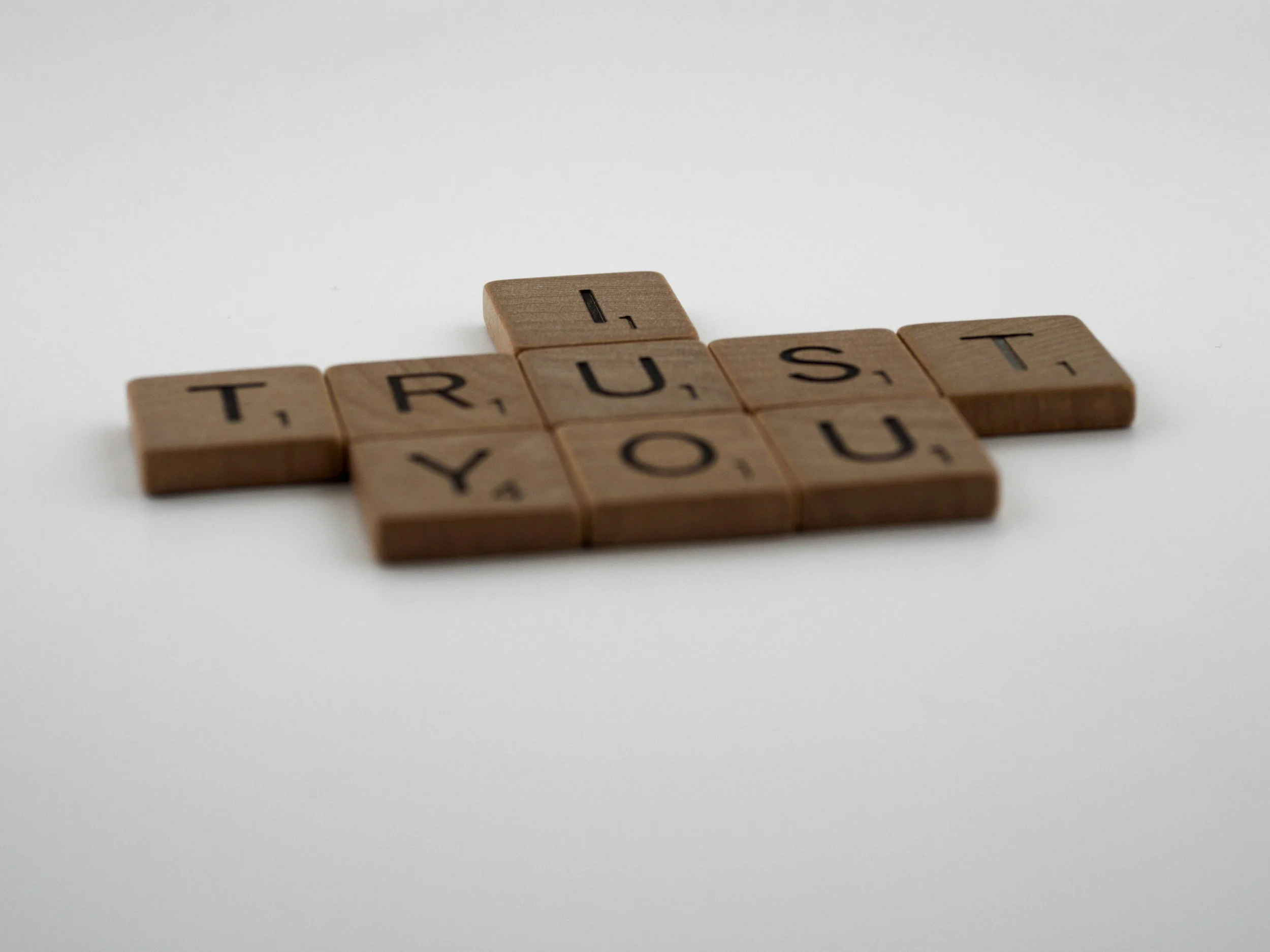
I Trust Your Judgement
“I trust your judgment” is more than permission to move forward. It places confidence and responsibility in someone’s hands…and reveals just as much about the person extending the trust.

I Hope She Wins
After her first chess lesson, my seven-year-old hoped her younger sister would beat her. Her reason revealed a more meaningful way to measure success…and leadership.

Gray is a Question
We want the answer to be clear. Far too often, it isn’t. Understanding a business means looking beyond the logical explanation to find what’s causing the gray.

What You're Actually Trying to Save
The hardest things to let go of aren’t the things that failed. They’re the things that worked. Preserving a legacy means separating what truly matters from the methods that once made it successful.

Ambiguity Charges Interest
Some decisions don’t have a correct answer waiting to be discovered. Strong leaders recognize when more information won’t help and accept that deciding is the job.

Do You Miss It?
Two former colleagues asked if I missed the work. I thought I missed the people instead until I realized the people were the work.

More Freedom?
Structure is often mistaken for rigidity. But the right structure doesn’t limit autonomy it makes it possible. Without it, flexibility becomes uncertainty, decisions flow back to the leader, and dependency grows.

What He Was Actually Afraid to Lose
After twenty-three years, the business wasn’t merely what he did. It had become proof of who he was and leaving meant discovering who he could be without it.

They're Not Bringing You Decisions
You can’t evaluate someone’s judgment when you keep replacing it with your own. Here’s how to turn questions into options, recommendations, and eventually confident decisions.

I Thought We Were Okay
An employee failed a required certification three times and was shocked when he was terminated. Leadership believed the expectations had been clear. The employee believed another chance was coming. They experienced the same conversations but learned two very different things. Standards are shaped less by what leaders repeatedly say than by what repeatedly happens next.
This excerpt stands on its own, gives enough of the story to entice a reader, and naturally introduces the article's central idea without giving away the full conclusion.

Eight Out of Ten
An HR executive rated trust in her organization an eight out of ten. Then skip-level conversations revealed a different story. The most important insight wasn’t about trust. it was about the workarounds people had quietly created and what they revealed about how the organization actually functioned.
Measured Against What?
When senior leaders can’t agree on what success looks like, accountability becomes a moving target. Before blaming performance, make sure leadership is aiming at the same goal.

The How Outlasts the Problem
The real value of a difficult conversation isn’t just solving today’s problem. Every disagreement teaches people how decisions are made, whose voice matters, and how conflict is handled. While the issue itself will eventually fade, the habits and culture built through those conversations remain. That’s why the how outlasts the problem.

The Lesson I missed for Almost 40 Years
For years, I thought the most important lessons my father taught me were the obvious ones: work hard, show up, stay humble, and stay curious. It wasn’t until much later that I realized the lesson that shaped me most was never spoken aloud. In the face of uncertainty, pressure, and change, he remained steady and only now do I understand why.

The Conversation You Haven't Had
People usually know the conversation they need to have. They just don’t have it. The most damaging conflicts aren’t the obvious ones. They’re the small tensions that seem manageable enough to ignore, until months later the cost of avoidance becomes impossible to miss.
Nothing Stays the Same
Life has seasons, and so do businesses. The challenge is that neither announces itself while it’s happening. Looking back, the inflection points seem obvious. Living through them, they often look like an ordinary Tuesday. The question isn’t whether change is coming. It’s whether you’ll recognize it in time to prepare for what comes next.
What are You Hoping For?
Three times in the first ten minutes, he said, “I would hope that…” Hope that an employee would step up. Hope that someone else would make the right call. Hope that a difficult client situation would somehow correct itself. The problem wasn’t a lack of information. The problem was that each situation required a difficult conversation, a firm boundary, or a decision he didn’t want to make. Sometimes the question isn’t what you’re hoping gets resolved. It’s what you’re hoping to avoid.

Power is Not Authority
Power and authority are often treated as the same thing, but they operate very differently. Power can be imposed. Authority requires legitimacy. When organizations confuse the two, accountability breaks down, decisions slow, and people stop taking ownership. The distinction matters more than most leaders realize.