The Authority Gap
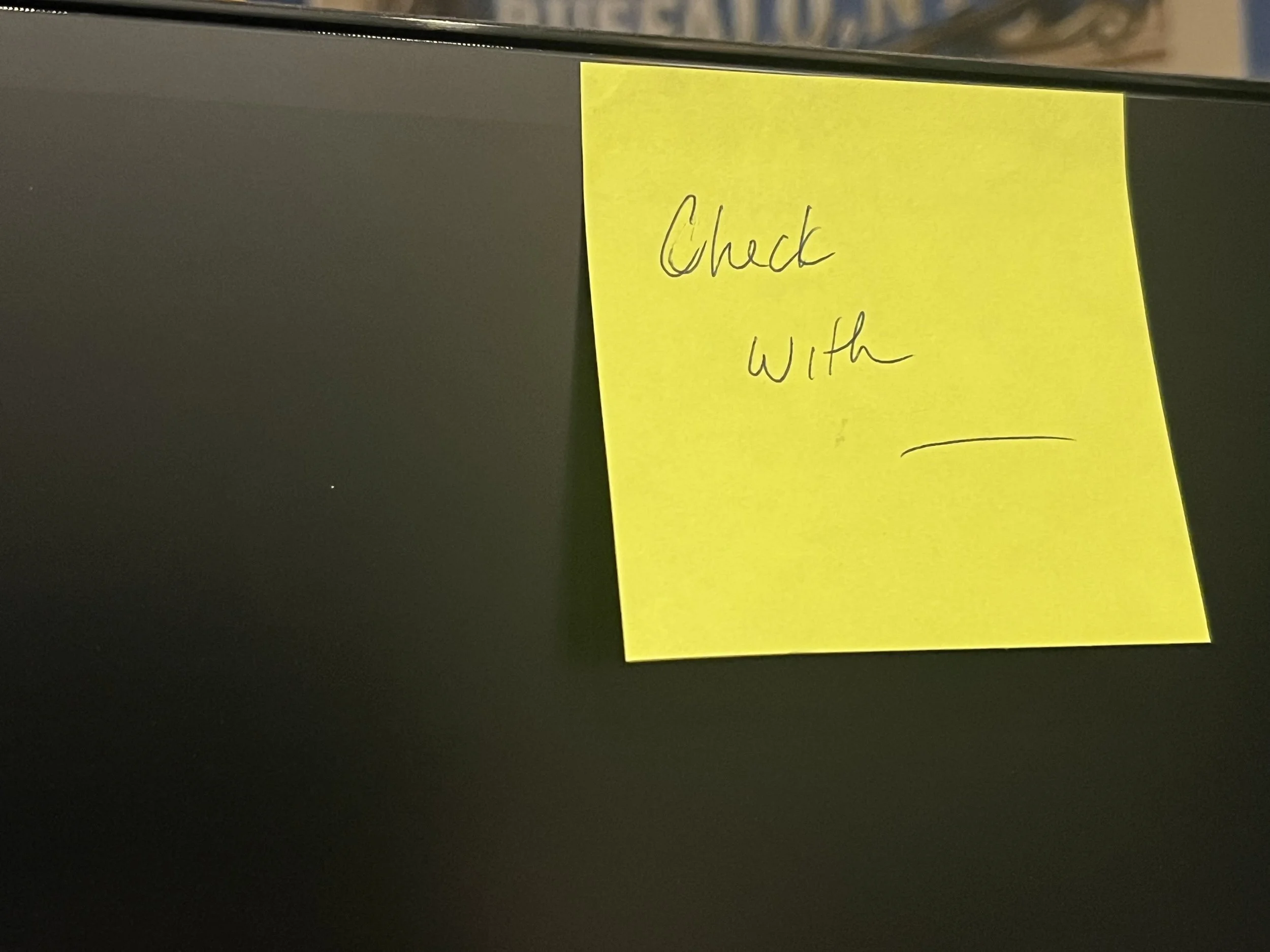
A reminder to Check With…the person with real authority.
The owner wants their people to think like owners.
The leaders around them want the opportunity to act like one.
Both are understandable. Both are reasonable. And both are stuck.
Because nobody names what’s actually happening. At least not precisely enough to do anything about it.
The owner built something tangible. They created it and guided it through the turbulent times. They made the decisions that shaped the business. Sometimes they had information. Other times, they relied on instinct. They bore the weight, faced the consequences, and pushed it forward.
It is their business, and they have the most to gain...and the most to lose.
At some point, that same owner begins to want something different.
They want the people around them to step up. To own decisions, not just execute them. To act as if they have a real stake in what happens next.
To think and act like they do.
That desire is not only understandable; it’s necessary.
On the other side, their leaders are looking for exactly that opportunity.
They don’t shy away from accountability. They crave it. They want to deliver strong results, drive the business forward, and be trusted with decisions that matter. They're not looking to avoid pressure. They're looking to step into it.
Which makes it difficult to reconcile.
Despite the alignment in intent, they don’t get there.
Not because of a lack of capability.
Because the system they are operating inside doesn’t allow it.
So what is actually stopping them?
They’re being held accountable for outcomes they have no authority over.
The expectations are set at one level, but the decisions that shape those outcomes continue to route back to the owner. Priorities shift. Direction adjusts. And the leaders responsible for delivering are never fully inside the context that drives those changes.
So the owner’s plate never actually clears.
The owner says: I need to see them execute before I can let go.
The leader says: I can’t execute until I know what I can decide.
The circle goes round and round.
Neither perspective is wrong. But together, they create a closed loop that does not resolve on its own.
Both sides feel the friction. Both sides feel the limitation. And over time, both sides begin to adapt to it. It becomes familiar. It becomes manageable. It becomes accepted.
Not because it works particularly well.
Because it works well enough.
And that is precisely when most businesses stop pushing.
Nothing is visibly broken. The business continues to operate. The tension never fully forces a change. So the pattern holds.
This is the authority gap.
Not a leadership problem. Not a communication problem. Not a capability problem.
A structural one, where accountability and authority don't match. And nobody has made it explicit enough to change.
I’ve seen it in firms with five people and organizations with thousands. In founders preparing to exit and partners who have been avoiding the real conversation for years. In leaders who are delivering results and still can’t move the decisions that matter.
The pattern is consistent. So is what breaks it.
If you’re nodding, it’s because you’ve felt it. From one side or the other. Maybe both.
It’s painful when you’re in it.
But it doesn’t have to stay that way.
At some point, the structure has to change. Until it does, neither side gets what they’re actually asking for.
This is the work I do.