The Day I Put the Hammer Down
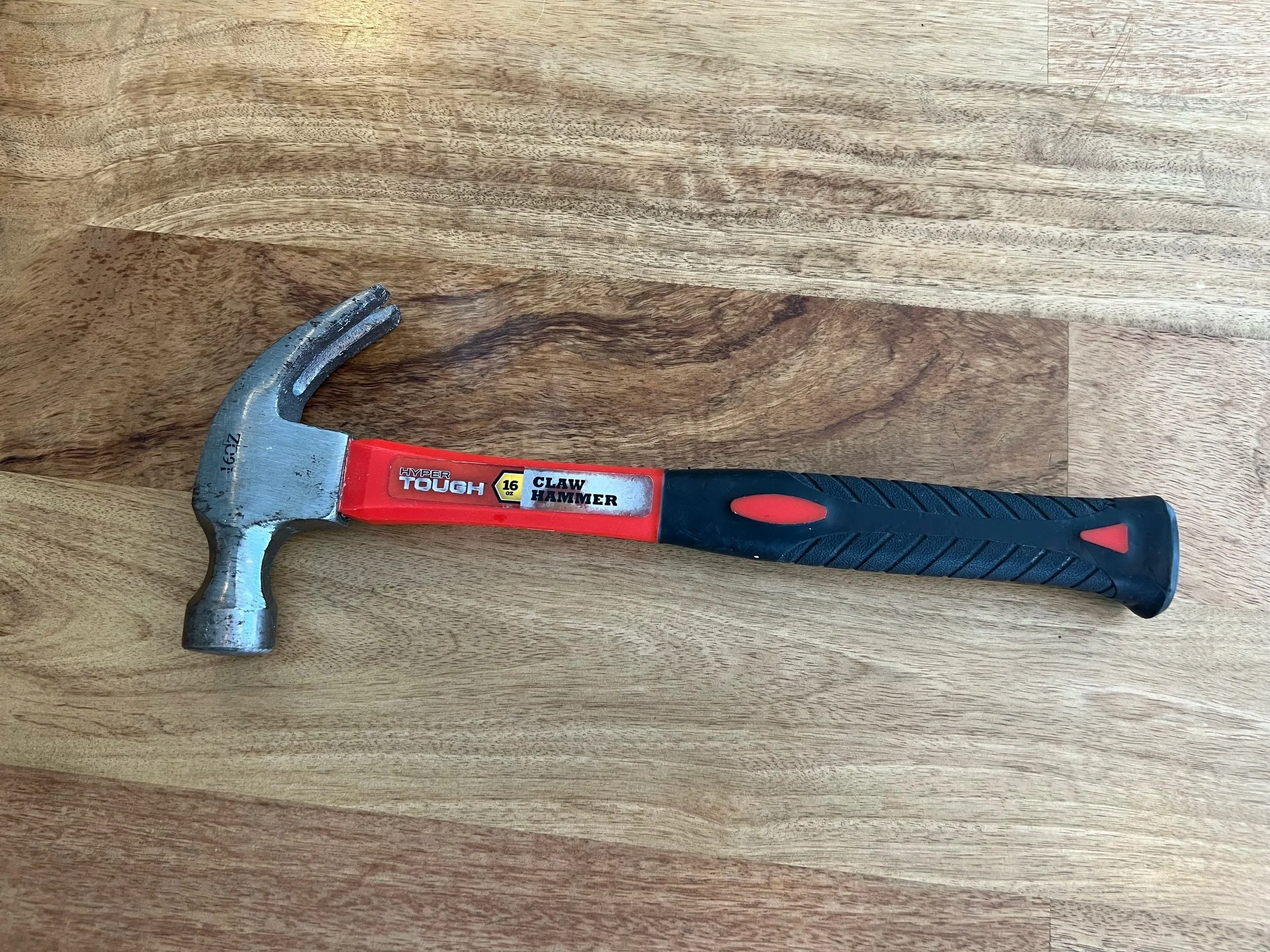
A well used hammer. Not being used.
You feel it coming before it happens.
That moment when a conversation begins circling the same points again and again. Plenty of talking, but the dreaded realization that nothing meaningful materializes.
Competing priorities collide, creating too many variables to hold at once. All those involved are well-intentioned and engaged, yet the only predictable outcome is growing frustration.
You know the problem. You’ve seen some version of it before, solved it more than once, and instinctively understand the tradeoffs that need to be made, before the full situation is even laid out.
There is a strong temptation to step in and provide the quick fix. You know the answer and, frankly, it would be far faster for you to take it, make the call, and just solve the problem yourself. It’s the familiar draw to be the hammer. The one who fixes it.
But this time, you don’t.
Instead of stepping in, you pause. You resist the voice in your head, demanding, this must be resolved right now. You choose not what feels easiest in the moment, but what you know is right.
Something important begins to happen.
You notice the weight you’ve been carrying, often without realizing it. How often you default to being the fixer. How often you’ve taken responsibility for holding everything together.
And a thought surfaces that’s impossible to ignore:
“I don’t want to feel like I have to be a hammer anymore.
Hammers get busted up.
I don’t want to be busted up.”
That’s the moment. Not because it’s particularly insightful, but because it’s raw and honest.
It isn’t about avoiding responsibility. It’s about recognizing how much you’ve absorbed by default over time.
What’s surprising is what doesn’t happen.
The work doesn’t fall apart because you didn’t step in. The system doesn’t break. Nothing grinds to a halt.
What shifts, almost imperceptibly at first, is ownership.
What’s needed is for responsibility to land where it belongs, even if it looks a little messier than it would have under your direct control.
You begin to notice how being helpful turns into being essential. How stepping in too quickly can prevent others from stepping up at all.
The hammer works, until it doesn’t.
Sometimes the most important move a leader can make isn’t applying more force, but having the restraint to set it down.